Competition for critical and strategic raw materials intensifies globally. At the same time, the combined forces of the green and digital transitions, alongside shifting geopolitical dynamics, are reshaping both demand and supply systems. In this environment, the ability to deliver reliable, scalable and timely metal and mineral supply has become as important as ensuring the availability of resources themselves.
The report identifies the Nordic region as a strong but selective contributor. The region’s strength lies in its targeted role within global value chains. Its contribution to European supply is defined as selective, complementary and long-term. It supports diversification and resilience rather than replacing existing global networks.
EU and global-level geopolitical strategies are connected to the strengthening of national and EU supply chains. The analysis supports a future where mineral value chains are expected to be more sustainable and secure.
The Nordic region combines key advantages: substantial geological potential (including future discoveries) for several critical raw materials, established mining and metallurgical industries, high-quality geological data, stable regulatory frameworks and strong commitment to responsible sourcing aligned with international ESG standards. All these factors support resilience.
Raw materials such as lithium, copper, cobalt, graphite, nickel and rare earth elements are essential to current and future transitions. All of these can be found in the Nordic countries. However, the central question is no longer whether resources exist, but whether they can be developed and coordinated at sufficient speed, scale and sustainability performance to reduce vulnerability in European supply chains.
The analysis shows that Nordic resource potential is considerable but unevenly distributed across materials and locations, rendering them unreplaceable either because of their resources or strategic positioning. Meeting future demand will require continued reliance on primary mining, alongside improved recovery from existing operations, greater process efficiency and the gradual expansion of recycling practice.
A central challenge remains translating resource potential into operational capacity. This will depend on prioritising key commodities, advancing selected high-impact projects and strengthening processing and refining capabilities.
The report defines the Nordic region as a key component of a more resilient European raw materials system. However, unlocking its full potential will require sustained investment in geological knowledge, coordinated development efforts and long-term policy support.
The publication updates earlier assessments in light of the EU’s Critical Raw Materials Act, which entered into force in 2024, and reflects the latest understanding of Europe’s strategic material needs.
Background
The report is funded by Nordic Innovation and led by the Geological Survey of Finland (GTK) in collaboration with the following partner organisations: Geological Survey of Sweden (SGU); Geological Survey of Denmark and Greenland (GEUS); Geological Survey of Norway (NGU); University of Iceland (HI); Iceland GeoSurvey (ÍSOR) and Ministry of Mineral Resources, Government of Greenland.
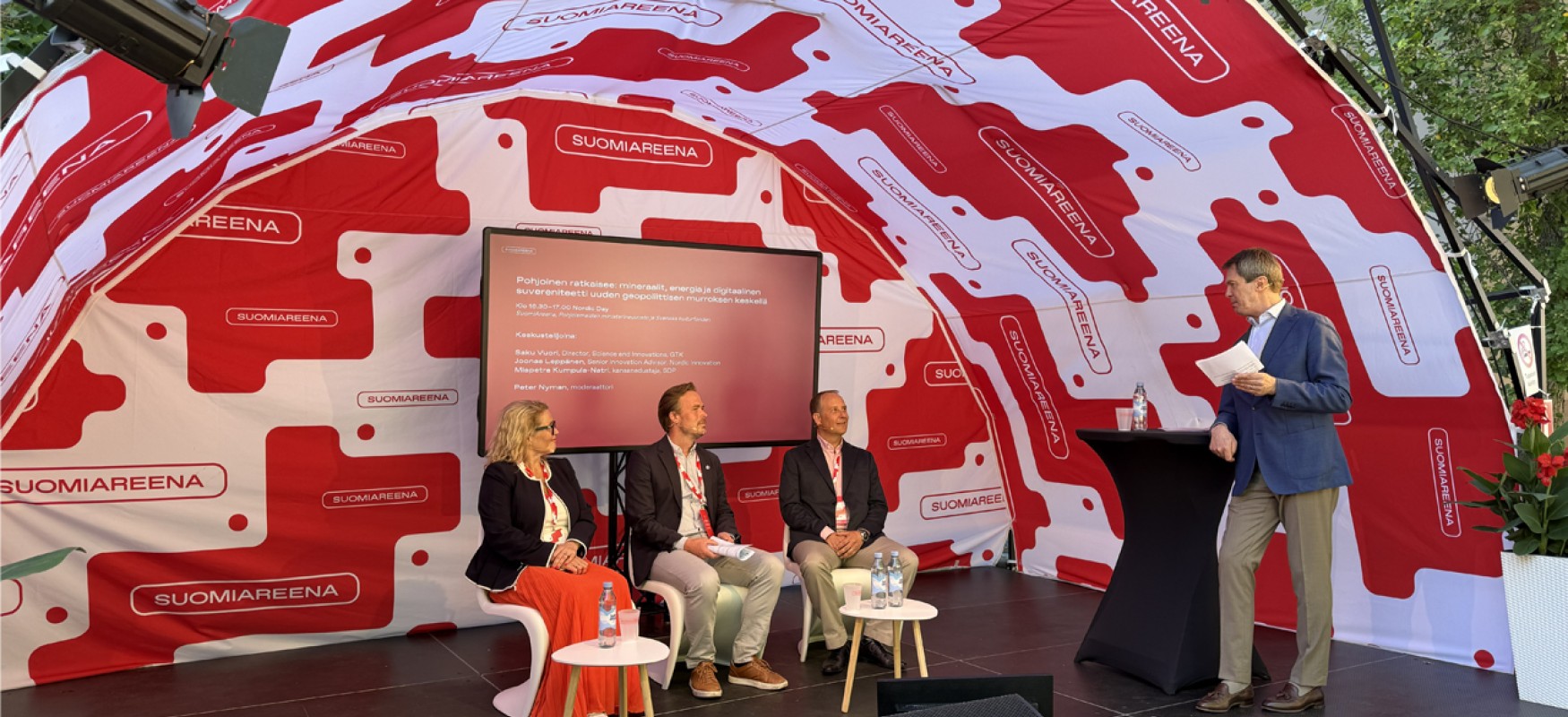
Report was launched on June 2025 during the Democracy Festival of Finland, SuomiAreena.